
Early Signs of Cancer – Symptoms You Shouldn’t Ignore
Cancer remains one of the leading health concerns worldwide, but the good news is that early cancer detection improves survival dramatically. Recognizing the early signs of cancer can help patients seek medical care sooner, access cancer screening & early detection tests, and improve treatment outcomes.
At Health Talk, we aim to provide trusted, accurate, and supportive healthcare information. Below, you’ll learn about the most common warning signs of cancer, subtle symptoms you shouldn’t ignore, and when to seek professional help.
Why Early Detection Matters
Cancer develops when abnormal cells grow uncontrollably. These changes often start quietly, with mild symptoms that may be mistaken for everyday health issues. However, detecting cancer early increases treatment success and survival rates.
Routine cancer screening & early detection tests, such as mammograms, colonoscopies, and skin checks, play a vital role. Paired with awareness of early cancer symptoms, these tools can save lives.
General Early Cancer Symptoms to Watch For
While each type of cancer has unique characteristics, certain early signs of cancer are common across many forms:
Unexplained Weight Loss
If you experience unexplained weight loss without changes to diet or exercise, it may signal cancers such as pancreatic, stomach, or lung cancer.
Persistent Fatigue
Unlike everyday tiredness, persistent fatigue caused by cancer does not improve with rest and may be linked to leukemia or colon cancer.
Fever or Night Sweats
Recurring fevers and night sweats and fevers could be an early symptom of lymphoma or leukemia.
Unexplained Pain
Unexplained pain that lingers for weeks—whether in the back, bones, or abdomen—should not be ignored, as it can indicate hidden cancers.
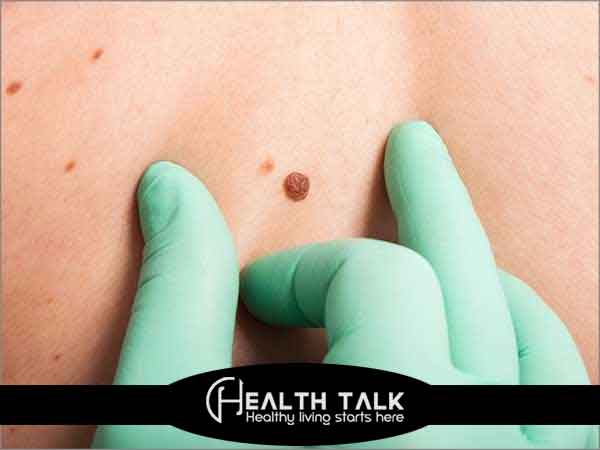
Skin Changes
Look for skin texture changes or unexplained bruises, new moles, or sores that fail to heal. These are often associated with the early signs of skin cancer.
Unusual Bleeding or Discharge
Blood in urine or stool, coughing up blood, or abnormal vaginal bleeding are all symptoms you shouldn’t ignore and may require urgent medical attention.
Early Signs of Cancer by Body Area
Early Signs of Breast Cancer
-
Lumps or swelling in the breast or underarm
-
Changes in nipple shape, discharge, or skin dimpling
Early Signs of Lung Cancer
-
Persistent cough or hoarseness
-
Shortness of breath, chest pain, or coughing up blood
Early Signs of Colon Cancer
-
Changes in bowel habits (diarrhea, constipation)
-
Blood in stool, abdominal cramping, or persistent indigestion or belching, early satiety
Early Signs of Skin Cancer
-
New mole or change in existing mole
-
Lesions that do not heal or change in skin texture
Early Signs of Oral Cancer
-
Mouth ulcers or white/red patches that don’t heal
-
Difficulty swallowing or changes in the voice
Subtle Signs of Cancer Often Overlooked
Some cancers present with subtle signs of cancer that may not seem serious at first:
-
Mild but persistent indigestion or heartburn
-
Feeling full quickly (early satiety)
-
Recurrent infections or sores
-
Chronic headaches or dizziness
If these issues continue beyond a few weeks, consult a doctor.
When to See a Doctor About Early Signs of Cancer
Knowing when to see a doctor about early signs of cancer is critical. Contact a healthcare professional if you experience:
-
A lump or swelling that does not go away
-
Persistent or worsening pain
-
Unusual bleeding or discharge
-
Any combination of the early cancer symptoms listed above
Cancer Self-Check & Screening
Being proactive can save lives. Consider:
-
Using a cancer self-check questionnaire to monitor your symptoms
-
Following recommended cancer screening & early detection tests (mammogram, colonoscopy, Pap smear, skin exam)
-
Talking to your doctor about your risk factors
Remember: early cancer detection improves survival—screening is your best defense.
Who Is Most at Risk?
Some people face higher risks of developing cancer:
-
Age over 50
-
Family history of cancer
-
Smoking, alcohol, or obesity
-
Exposure to harmful chemicals or radiation
-
Existing chronic conditions
If you fall into one of these groups, be extra vigilant about early cancer symptoms.
How to Reduce Your Risk
While not all cancers can be prevented, you can lower your risk by:
-
Eating a healthy diet and exercising regularly
-
Avoiding smoking and limiting alcohol
-
Maintaining a healthy weight
-
Scheduling regular screenings
-
Discussing genetic counseling if you have a family history
Supportive Services and Next Steps
At Health Talk, we connect readers to credible information and resources. If you’re experiencing symptoms you shouldn’t ignore, we encourage you to:
-
Book a consultation with your healthcare provider
-
Explore supportive services such as counseling and patient navigator programs
-
Download our free Early Detection Checklist for a step-by-step guide on monitoring symptoms
-
Subscribe to our newsletter for updates on cancer prevention, wellness tips, and screening reminders
FAQs About Early Signs of Cancer
Q: What are the first warning signs of cancer?
A: Common warning signs of cancer include lumps, unexplained weight loss, persistent cough, and changes in skin or moles.
Q: Can cancer develop without symptoms?
A: Yes, some cancers remain silent until advanced stages—highlighting the importance of screening & early detection tests.
Q: How do I know if fatigue is cancer-related?
A: Persistent fatigue that does not improve with rest and lasts for weeks should be checked.
Q: What cancers are hardest to detect early?
A: Pancreatic, ovarian, and some blood cancers often show only subtle signs of cancer early on.
Q: What should I do if I notice an unusual lump or pain?
A: Schedule a medical evaluation promptly. Early cancer detection improves survival.